
Identifying the root cause of a generator ground fault and supporting recovery
A ground fault was detected during outage testing of a generator at a US power generation facility, resulting in extended downtime and operational interruption. The failure created an urgent need to determine the root cause of the event, determine the correct repair approach, and support the owner through a complex recovery process.
The incident was not a routine repair issue. The client had to move swiftly to investigate the cause of the ground fault, manage the implications of a major rotor rewind, and gather the technical evidence needed to support an insurance claim for damages incurred and loss of production. This generator rotor rewind on the machine was the first on this particular rotor in 33 years. This in itself was astounding as generator rotors normally get rewound after about 20 years of operation.
THE CHALLENGE
The fault was identified during an extensive outage, resulting in an extended operational interruption.
For the owner, the priority was to move quickly from failure response to a clear technical explanation.
The need for a rotor rewind further complicated the recovery process. A rotor rewind is a significant intervention, carrying technical, commercial, and scheduling consequences when a plant is already experiencing an operational interruption.
THE APP APPROACH
APP responded quickly and provided specialist third-party support to investigate the cause of the ground fault.
The team only supported the client remotely, helping to assess the condition of the rotor to be rewound and conducting an investigation into the cause of the rotor earthfault.
APP’s role was to help the client make informed decisions during a high-pressure recovery process. This included investigating the likely cause of the fault, advising on the implications of the rotor rewind, and helping the client understand which technical actions would support a safe and effective return to operation.
The work also supported the insurance process. By helping the client determine the cause of the failure and document the technical basis for the claim, APP supported a successful insurance claim for damages incurred and loss of production.
RESULTS AND VALUE DELIVERED
The investigation found that excessive contamination of the rotor due to a faulty generator air seal system had resulted in the generator ground fault.
This finding provided the owner with a clearer technical explanation of the failure and helped move the recovery process beyond uncertainty. Instead of treating the incident as an isolated electrical failure, the investigation connected the ground fault to a specific condition affecting the generator environment. Given the findings obtained APP was able to propose an optimal repair scope to be implemented in order to correct the concerns on the air seal to prevent any continuous contamination into the stator and rotor.
APP’S SUPPORT DELIVERED VALUE IN THREE KEY AREAS.
First, APP responded quickly and provided remote specialist support to help determine the root cause. This gave the client access to independent generator expertise at a point when delays in technical decision-making could have extended the interruption.
Second, APP helped guide the client through a successful insurance claim for damages incurred and loss of production. The claim required technical clarity and credible evidence, not just a description of the failure. APP’s investigation support helped the client explain what had occurred and why the loss was linked to the identified failure mechanism.
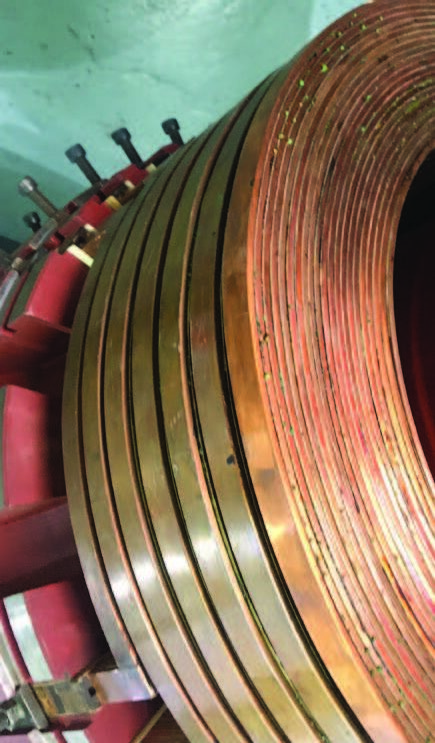
Third, APP helped reduce downtime by 6 weeks, by proposing the use of existing copper rather than purchasing new copper. This practical recommendation helped avoid further delay in the repair process and supported a faster path to recovery.
A STRONGER BASIS FOR RECOVERY DECISIONS
Generator failures can create significant uncertainty for asset owners. Technical teams need to understand the immediate fault, while commercial teams need to assess downtime, repair cost, insurance recovery, and the operational impact of the interruption.
In this case, APP helped connect those requirements. The investigation identified the root cause of the ground fault, supported
the client through a major rotor rewind process, and provided technical input that helped reduce avoidable delay.
The value of the engagement extended beyond fault diagnosis. APP provided practical support during the recovery process, helping the owner establish a more controlled repair, claim, and return-to-operation pathway.
LOOKING AHEAD
The Grant Town generator failure investigation demonstrates the value of specialist engineering support when a major asset failure affects operations, insurance recovery, and repair decisions at the same time.
By identifying excessive contamination from a faulty generator air seal system as the cause of the ground fault, APP helped the client establish a clearer technical basis for action. By guiding the client through the rotor rewind and supporting the insurance claim, APP also helped reduce uncertainty during a high-consequence operational interruption.
For power generation owners, this case highlights why independent technical support matters during major failures. When root cause, downtime, repair strategy, and insurance evidence are all in play, faster access to specialist engineering judgment can materially improve the quality of decisions made under pressure.
